
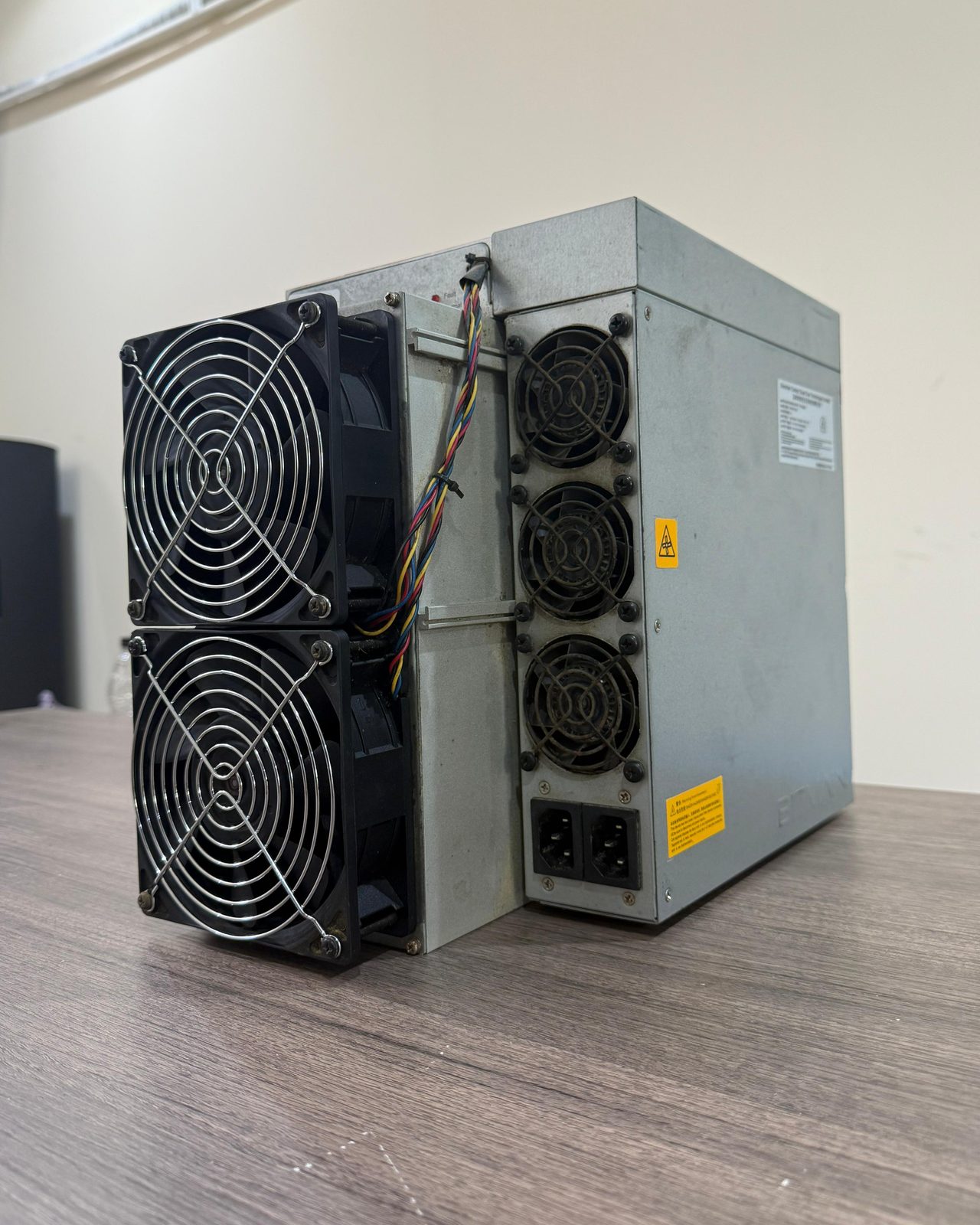
What Actually Builds the Price
A miner’s landed cost in Pakistan stacks four layers, and every layer moves:
The global unit price. ASIC prices track the bitcoin price with real sensitivity. When BTC runs, hardware demand and prices follow within weeks; when it retraces, so do they. The same S19j Pro can move meaningfully in a month with nothing changing but the market.
Shipping. Freight from the supply hubs, Dubai among the main ones for Pakistan, varies with route, weight, and mode. On a single unit it’s a modest share of cost. On bulk orders it’s a line worth negotiating.
Duty and taxes at the border. Customs duty, sales tax, and associated levies are assessed at clearance on the shipment’s value, and they’re a substantial component of what a Pakistani buyer ultimately pays. The rates and process are their own subject, and the Pakistan customs duty guide covers what import actually involves and who handles what.
The rupee. Hardware trades in dollars while you likely think in PKR. Exchange-rate movement between quote and payment changes your real cost, which is one reason quotes are live and short-lived rather than standing offers.
Stack those four and you see why two buyers a month apart pay differently for the same machine, and why anyone advertising a fixed PKR price either updates it daily or is using it as bait to start a conversation the number won’t survive.
The Used-vs-New Landscape for Pakistan
Pakistan’s mining case is overwhelmingly built on favorable electricity situations, and where power is cheap, entry cost per terahash beats efficiency per terahash in the math. That’s why the market runs on the used S19 family: S19, S19 Pro, and S19j Pro units with the lowest sensible cost of getting hashrate running, on a platform with deep parts availability when something eventually needs fixing.
New current-generation units have a Pakistan case too, but it’s narrower, covering operators with scale, long horizons, and power arrangements good enough that the efficiency premium pays back. For the typical first build, tested used hardware is where the market has settled, and “tested” is the load-bearing word. Used prices look attractive precisely where the risks concentrate: the cheapest listings are cheapest because nobody verified them. The protocol worth demanding from any seller is the one we apply to our own used miners. That means a recorded stability run, the full hashrate and temperature log, and serial photos matching the tested unit to the one that arrives. For hardware crossing a border with duty paid on it, that evidence is the difference between buying a machine and buying a question mark.
How to Recognise a Real Number
A trustworthy price looks like this. It’s live, priced against today’s market rather than last quarter’s. The cost structure is visible, showing unit price, freight, and a clear statement of what the supplier handles against what you handle at the border, with clearance and duty always sitting with the buyer. On used units it arrives with test evidence attached rather than a stock photo. And it comes from a seller who can tell you where the hardware physically is.
The same criteria apply at volume, where wholesale pricing should scale with order size and still show the full breakdown.
What a trustworthy quote deliberately doesn’t include: pressure to decide before it expires naturally, prices that survive weeks unchanged, or a seller who won’t show evidence that the machine works. The market moves, and honest pricing moves with it.