
The Legal Status
Pakistan spent years in regulatory ambiguity on crypto, and that has been resolving toward formal recognition, with a legal and regulatory framework for virtual assets now established. For an importer, the practical meaning is that mining hardware is computing equipment moving through normal customs channels rather than contraband or a grey-zone gamble.
Whatever the framework detail, the regulatory burden sits with you. Import compliance, duty payment, and any registration or approval requirements at your end are yours to confirm and meet. That isn’t hedging. It’s how cross-border hardware trade works, and going in with that understanding is what separates a smooth clearance from a container sitting in port.
What Import Actually Involves
Customs declaration. The shipment is declared on arrival with commercial documentation: invoice, packing list, transport documents. Accurate declaration of what the hardware is and what was paid is the foundation of everything after, and misdeclaration is where import problems start.
Classification. Goods are classified under Pakistan’s PCT tariff schedule, and the classification applied determines the duty rate. In practice, classification of mining hardware varies at assessment, and FBR valuation rulings apply to how value is determined. This is precisely why we don’t publish a code. Your clearing agent confirms the classification applied to your shipment, and that answer is authoritative in a way a webpage isn’t.
Assessment. Pakistani imports are assessed as a stack rather than a single rate: Customs Duty per the PCT classification, plus Additional Customs Duty (around 2%), plus Sales Tax at 18%, plus advance income/withholding tax. That last component differs depending on whether you’re a registered tax filer or a non-filer, which is a meaningful cost difference on hardware of this value. Final amounts are set at clearance under FBR valuation.
Clearance and release. Duties paid, the shipment releases. A licensed customs clearing agent handles this for most importers, and for a first import that’s money well spent rather than an optional extra.
Importing From Dubai, and Who Handles What
Wherever a Pakistani buyer sources hardware, the division of responsibility is the same, and a credible supplier states it in the quote. The supplier’s side: verified hardware, and on used units that means bench testing with logs and serial photos before dispatch, plus export documentation from their end. Your side: import declaration, duty and tax payment, and every compliance requirement at the Pakistani border, typically through your clearing agent. Nobody clears Pakistani customs on your behalf.
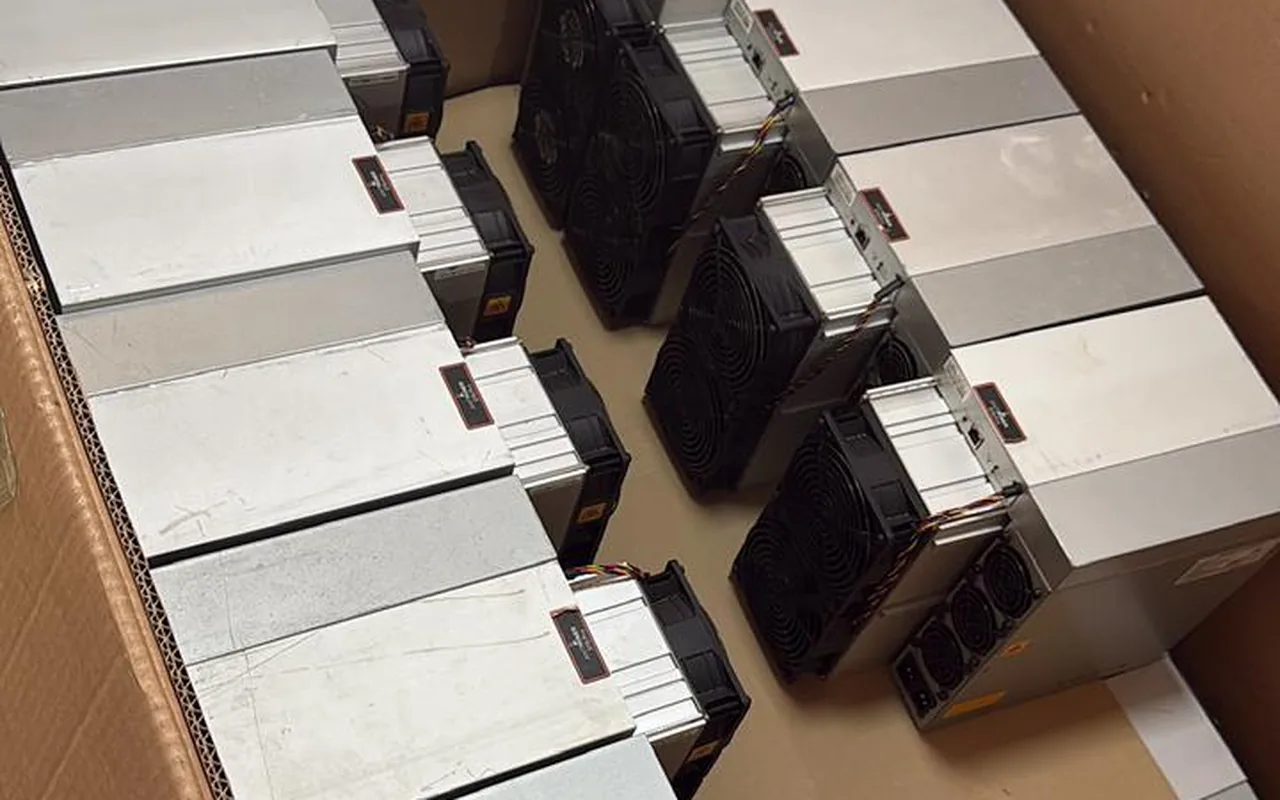
Why so much of this hardware is sourced through Dubai: stock physically exists here and is verifiable before payment, which matters most on exactly the hardware Pakistan buys. Budget-driven builds run on tested used miners, where the testing protocol of recorded stability run, full log, and serial-matched dispatch is the difference between buying a verified machine and buying a gamble. Larger orders run through wholesale channels under the same division of responsibility.
Used Units and the Pakistan Market
The S19 family dominates this route, and the economics explain it. Pakistan’s mining case is built on low electricity cost in specific situations, which favours low entry price per terahash over efficiency-frontier hardware. A tested used S19, S19 Pro, or S19j Pro delivers exactly that: proven platform, deep parts availability, and entry cost that makes the math work.
The volume is also why testing discipline matters more here rather than less. Popular used models are the most misrepresented hardware in the market, and an untested unit that clears customs dead is a total loss plus the duty you paid on it. Insist on seeing the unit running at rated hashrate, with a recorded log, before it ships. On this route that evidence is the whole protection.